Introduction
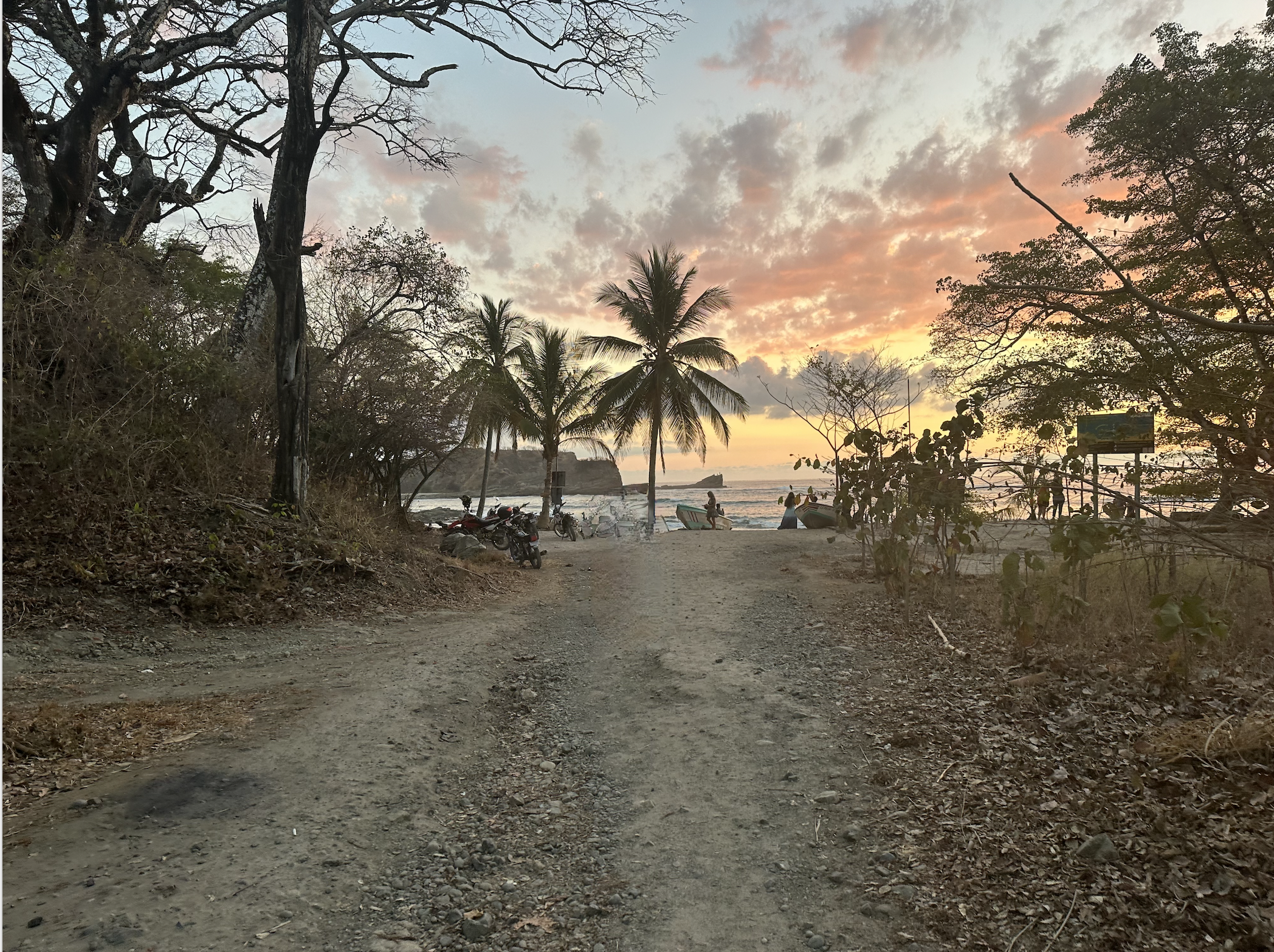
Nosara faces problems that are not new: rising insecurity, limited access to health services, educational deficiencies, water issues, and local governance that often does not reflect the real needs of those of us who live here. For years, many of us have waited for existing structures to resolve what is already urgent. Some progress has been made, but daily reality tells us it is not enough.
Nosara para Todos is born from that shared conviction: residents have the right —and the capacity— to organize and drive real, measurable, and sustainable change in our community. We are not a group against anyone. We are a group in favor of Nosara.
Global evidence teaches us that real change happens when coalitions of people unite around a common incentive, have sufficient collective power and capacity for action, and organize with a structured process, clear goals, and defined timelines. Furthermore, change is never linear: we must be willing to learn, adjust course, and adapt. We think like sailboats, not trains.
This document presents who we are, the principles that guide us, our action methodology, what sets us apart from traditional structures, and the rules under which we are willing to collaborate with any organization that shares a genuine commitment to community well-being.
Core Principles
The following principles guide every decision, initiative, and alliance of Nosara Para Todos. They are both internal commitments and clear signals to the community about how we act.
1. Systemic change, not quick fixes. Our goal is to address the root causes of community problems, not just their symptoms. Every action we take is evaluated by its capacity to generate lasting impact.
2. Radical transparency. Every decision, meeting, and agreement is documented and openly shared with the community. We publish minutes, accountability reports, and progress updates regularly. There are no hidden agendas.
3. Measurable results. Good intentions are not enough. Each initiative defines concrete goals, clear timelines, and indicators that allow any resident to verify whether we are delivering on our promises.
4. Horizontality and genuine participation. There are no strongmen or lifelong positions here. Decisions are made collectively. Anyone who wants to contribute has space to do so, and no voice carries more weight than another based on seniority, last name, or economic position.
5. Operational agility. We organize to act, not to meet indefinitely. Urgent problems receive rapid responses. Internal bureaucracy is kept to the necessary minimum.
6. Unity with dignity. We deeply value community unity, but not at the cost of silence in the face of what is wrong. The artificial peace that maintains the status quo is not unity — it is resignation. We choose real progress, even when it requires difficult conversations.
7. Learning and adaptation. Complex problems are hard to solve. We will be explicit about our working assumptions, learn what works and what does not, and adjust course as needed until we reach our objectives.
8. Creativity. Complex problems also require thinking outside the box. When obstacles arise, we challenge ourselves to think differently about alternative ways to reach the same goal, like a sailboat tacking into the wind to reach its destination.